
What our history and Ukraine’s strategies can teach us about the future of war
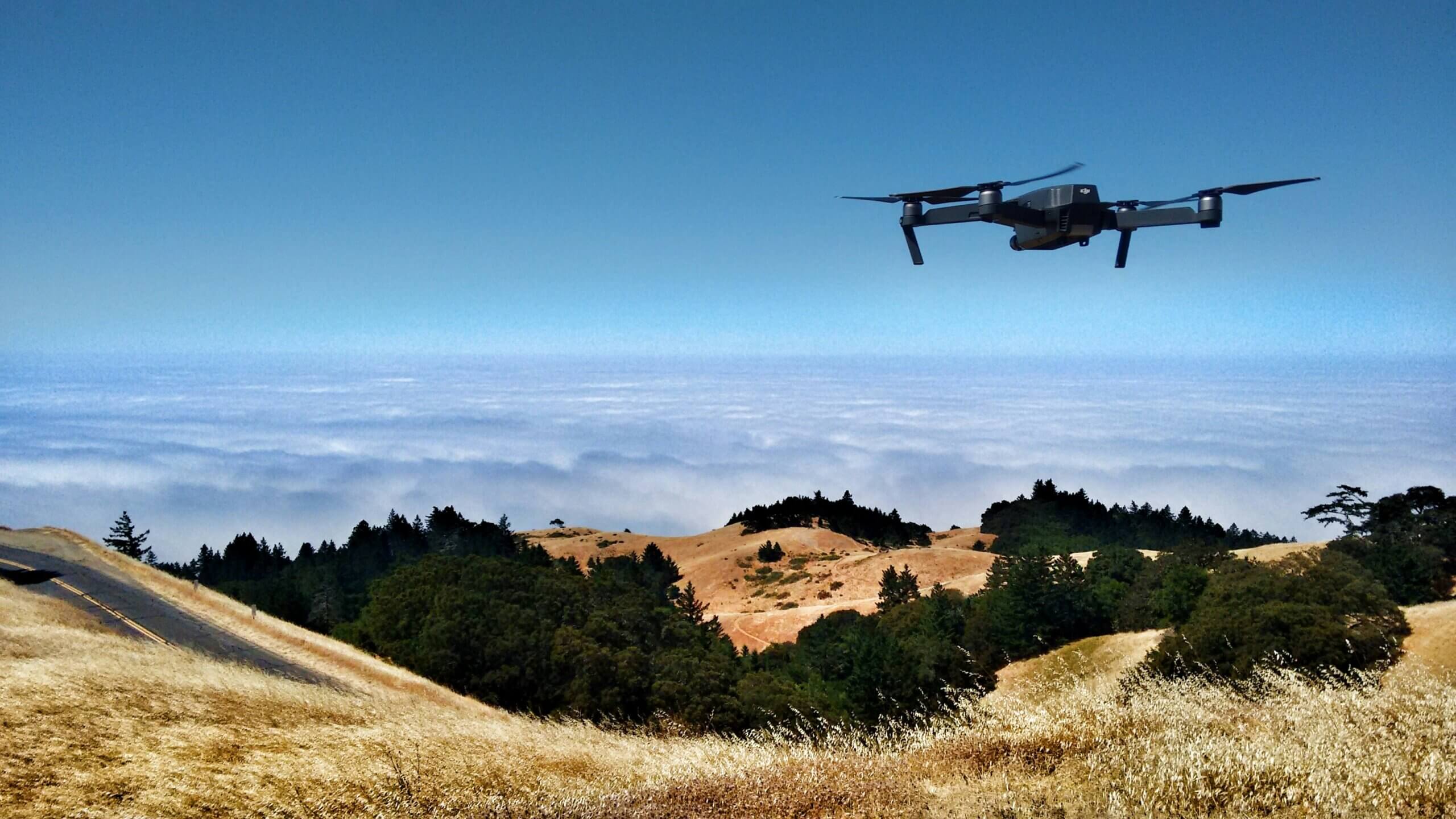
The war in Ukraine has brought conceits once known only to science-fiction geeks into the real world, as rival armies of robots take over the skies and even the seas surrounding that embattled country. There are hunter-killer drones, kamikaze drones, mine-laying drones, mine-detecting drones, even “dragon drones” equipped with flamethrowers that bring a touch of Game of Thrones to the conversation. Uncrewed machines dominate virtually every strategic and tactical operation and scenario in the conflict. According to the Institute for the Study of War, uncrewed ground vehicles (UGVs) and airborne drones account for up to 90 percent of military activity in “hot” combat zones like Pokrovsk.
Thus has the battlefield morphed into a robotic ecosystem in which low-cost, off-the-shelf quadcopters and marine vessels without a person on them have become logistical workhorses and primary strike weapons.
To many military history experts, this represents a revolution in military affairs comparable to the arrival of mechanized blitzkrieg warfare in World War II—or even the advent of gunpowder. The key to victory is mass production at scale, i.e., producing quantities with no loss in quality. Each month, 200,000 drones are delivered to Ukrainian troops—up tenfold from 2024. Ukraine is aiming to produce more than 4 million drones annually—an industrial mobilization effort that signals just how important these unmanned systems have become.
The Russians have also proven to be good at uncrewed warfare—even deploying turbojet drones in their latest round of attacks on Kyiv, and drones using AI to guide to targets. But the true masters of this new form of warfare are the Ukrainians, in part because it’s the only way they can confront an enemy with more soldiers, more weapons, and more resources—and survive.
The United States doesn’t face that same existential threat—or at least not yet—as it struggles to seize the future lead in this drone revolution away from rivals like China and Russia. But fortunately, it has its own example of victory by mass production at scale, during World War II.
Read More at "Commentary "