

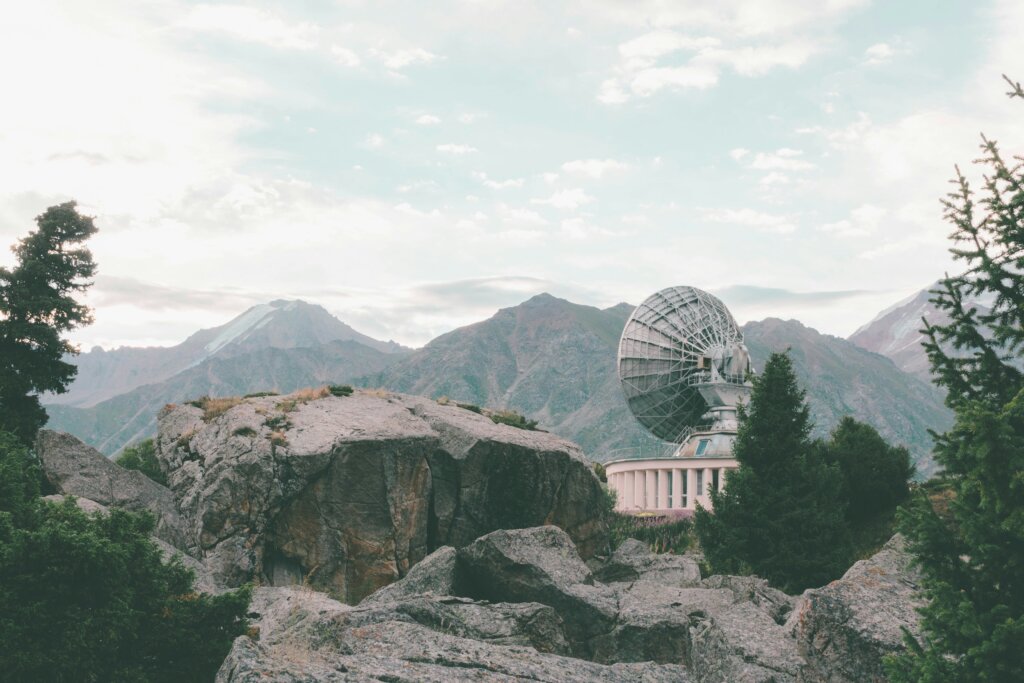
The immediate reaction to the USSR’s 1957 satellite launch, the so-called “Sputnik Moment,” was fear that America had fallen behind. For the nation’s public education system, though, the reaction meant discovery of a new purpose as an instrument of national power. In a world where nations were competing in a global economy and battling for technological supremacy, education policy was defense policy; training scientists and engineers was as vital as training soldiers and sailors. The resulting National Defense Education Act (NDEA) marshalled federal resources to “insure trained manpower of sufficient quality and quantity to meet the national defense needs of the United States.” America’s widening lead in both innovation and industry over the following decades, built on institutional capacities and resource commitments that the Soviets could not match, provided decisive in winning the Cold War.
Since then, and perhaps because no clear adversary loomed, American education has abandoned that project. Science, technology, engineering, and mathematics (STEM) education have steadily deteriorated. Students graduate without the requisite skills to contribute to a national economy that remains a strong economic competitor; among the minority that earn a college degree, nearly half proceed to a job that doesn’t require one. Research in critical fields remains misdirected and underfunded, while our academics occupy themselves with radical ideological fads.
Even without the emergence of China as a peer-competitor, these failures would be costing us dearly: in weak productivity growth, poor job prospects, and slower innovation. With the return of great-power competition, these failures represent a genuine crisis—one compounded by our adversary’s strong commitment to using its own education system as a tool of national power. Public education is an indispensable institution for cultivating America’s best and brightest, improving the productive potential of the labor force, and maintaining national technological advantages. We must use it for that purpose.
Read More at "Commonplace"