
The Iran War has exposed the cracks in the US-maintained alliance system that includes Israel and the Gulf states. Can it hold together?
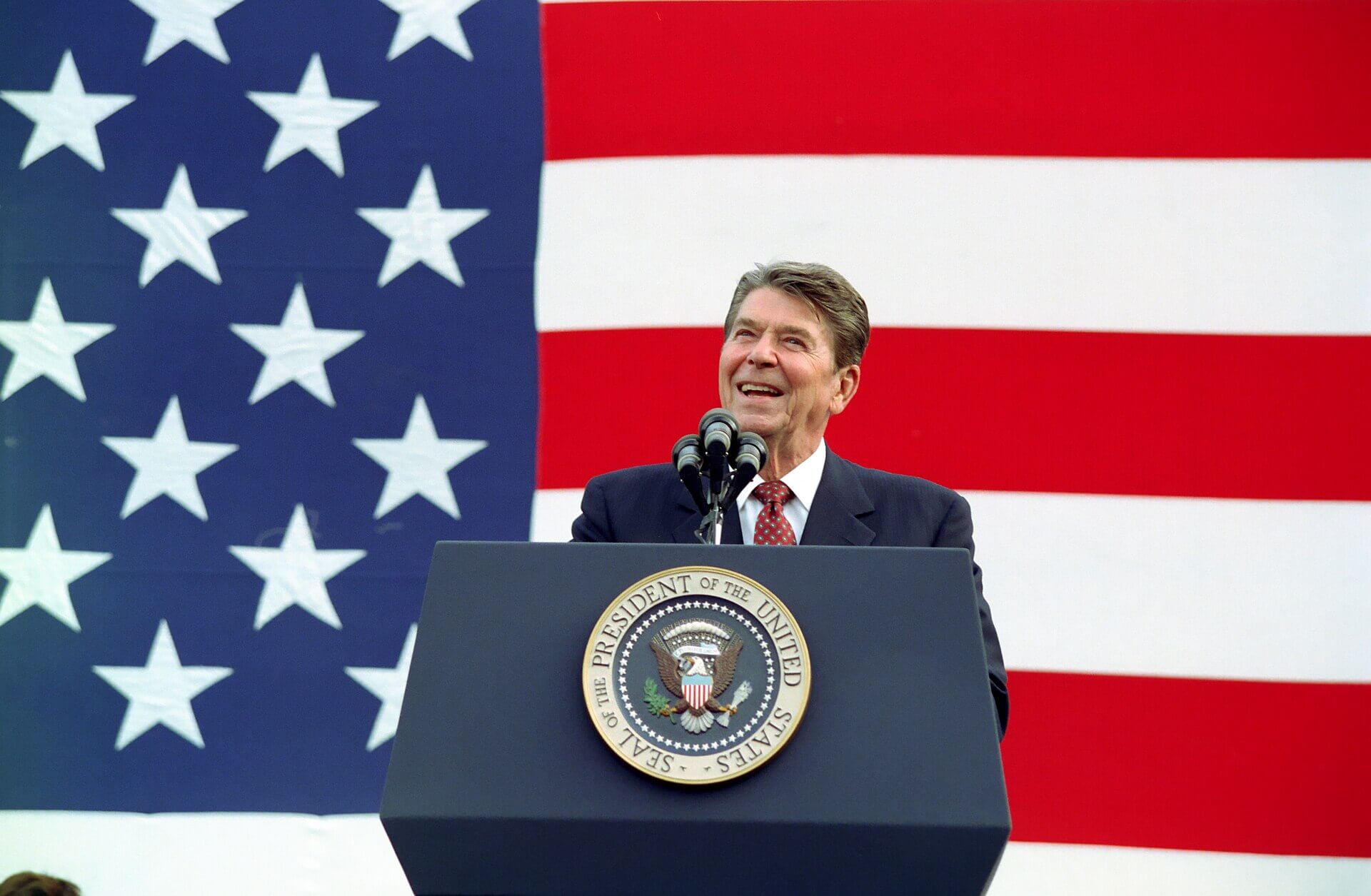
President Donald Trump has reshaped the Middle East in ways that an observer just three years ago would find hard to believe. At its core, Trump’s Middle East has seen a major shift in Iran’s power and influence in the region.
When he took office, Iran maintained a battered but still formidable network of proxies throughout the Middle East. Turkey and Qatar were regularly wooing Iran. At the same time, it enjoyed a formidable alliance with both Russia and China, sending millions of barrels of oil at a discount to China and arming Russia with drones for its war in Ukraine. Today, Iran finds itself forced out of Syria and Gaza, while its proxies are losing ground in Iraq and Lebanon.
Winston Churchill used the term “grand alliance” to describe the coalition of powers he and FDR put together to defeat the Axis powers in World War II, including the unlikely alliance of the capitalist United States and the United Kingdom with Stalin’s Soviet Union. President Trump has put together a similarly unlikely grand alliance of Israel and Arab Gulf states like Saudi Arabia, UAE, and even Qatar, to oppose the Middle East’s most dangerous and disruptive regime, Iran.
Yet just as there were tensions within Churchill’s grand alliance that ultimately disrupted its vision of peace and stability for the post-war era, so too do tensions exist within Trump’s grand alliance over how to achieve the endgame with Iran. This will threaten the grouping’s stability unless the United States shows decisive leadership.
Read More at "The National Interest"